

![How Japan’s first Climate/Nature-Linked Bond was created [Part 1]
How did Nomura Securities turn Tokyu Fudosan Holdings’ Vision into Reality?](/en/latest/20260616-Climate-Nature-Link-Bond-Tokyu-FudosanHD1/main/05/teaserItems1/0/binaryNodeName/TOP-part1-EN.jpg)
Within Japan’s real estate industry, Tokyu Fudosan Holdings stands out for its proactive efforts to tackle environmental issues across its group. How can its “WE ARE GREEN” initiatives be translated into corporate value? In December 2025, Nomura Securities proposed Japan’s first climate/nature-linked bond in line with the guidelines of the International Capital Market Association (ICMA).
This first installment of a two-part series examines how Nomura Securities came to make the proposal. In Part 2, we will share Tokyu Fudosan Holdings’ perspective.
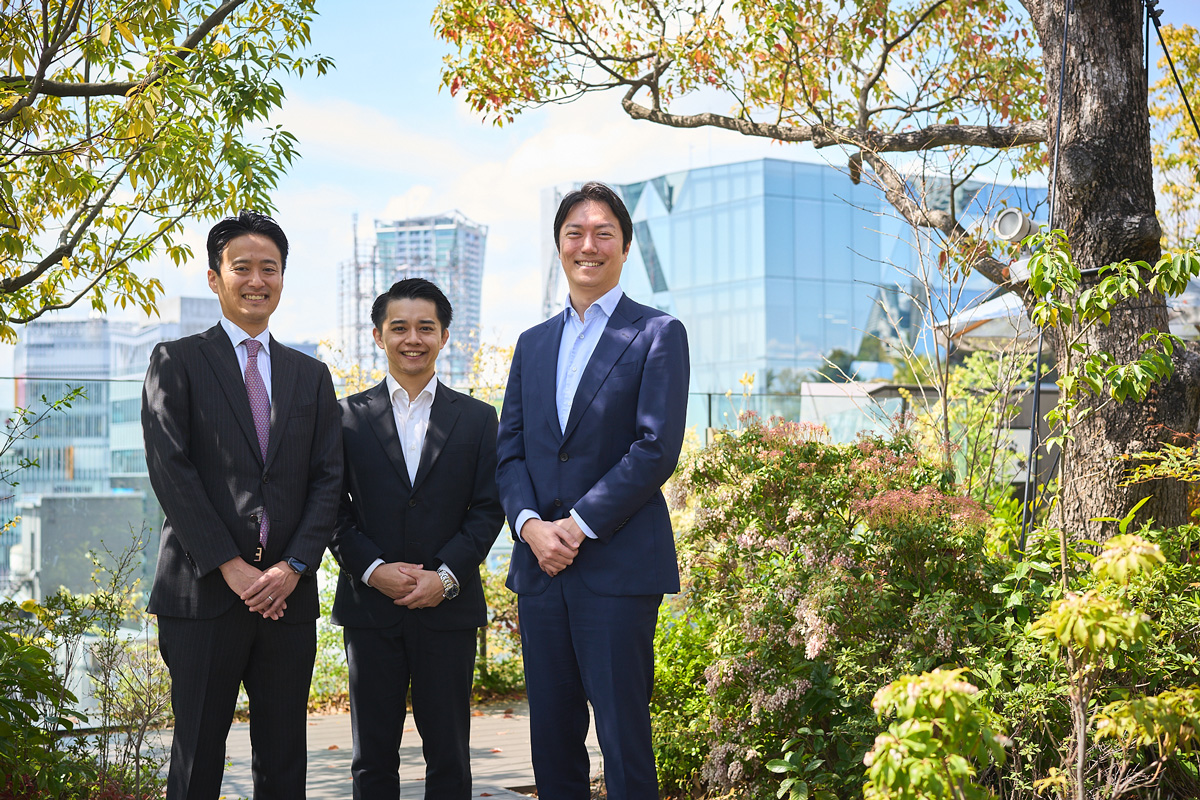
First, we spoke with Yasuhiro Miura of Nomura Securities’ Corporate Finance Department 4, who has been in ongoing discussions with Tokyu Fudosan Holdings; Kohei Yamaguchi of the Sustainable Business Development Department, who helped shape the proposal; and Shun Machiyama of the same department, who oversaw the overall proposal.
Q. As the person in charge of Tokyu Fudosan Holdings, could you tell us about your daily work?
- Miura
In Corporate Finance Department 4, we support client companies’ growth in a comprehensive way through financing solutions such as equity and bond issuance, M&A advisory, interest-rate hedging solutions, and real estate brokerage. Our clients include companies in the railway, construction, real estate, and REIT sectors. Since Tokyu Fudosan Holdings has been actively pursuing renewable energy businesses under the slogan “WE ARE GREEN,” we have focused on supporting M&A and financing related to renewable energy.
In our day-to-day work, we provide updates on the equity and bond markets, propose financing methods, support IR activities, and introduce real estate deals. We stay in regular contact with people across various departments at the client company, and we believe that this consistent communication is very important.
- 拡大
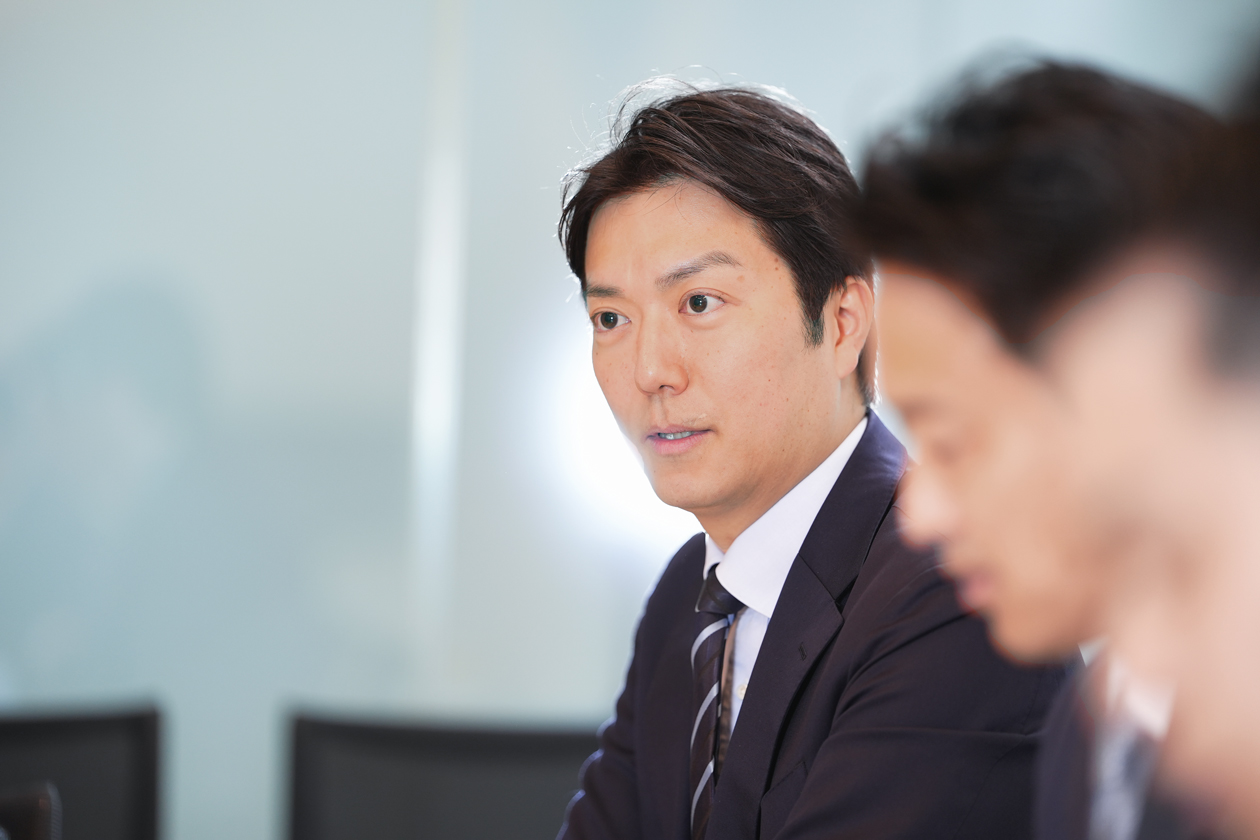
- Yasuhiro Miura, Corporate Finance Department 4, Nomura Securities
Q. What do you focus on as the client account manager?
- Miura
What matters most is timing and face-to-face conversation. When we meet clients directly and talk with them regularly, we can often pick up on things from their tone, facial expressions, and overall mood. We pay close attention to those small changes and use them to guide follow up meetings.
We always think about how we can strengthen our relationships with clients and continue building on the trust established by previous client account managers, so that we can be of help in some future project.
To ensure that we do not miss changes on the client side, we try to meet clients in person whenever possible. We also visit them together with specialists from different internal departments and continue to exchange ideas. I believe one person can only do so much, so I always try to make the most of Nomura’s strengths by listening to clients’ needs and connecting them with the right people inside the firm.
Q. How did things progress with Tokyu Fudosan Holdings?
- Miura
Our Sustainable Business Development Department had already been discussing renewable energy with Tokyu Fudosan Holdings, and had shared information about Nomura Greentech’s* industry-leading track record. In fiscal 2024, we also served as financial advisor on the M&A transaction involving Renewable Japan, a renewable energy company, which was announced in November 2024.
This time, because financing was needed in 2025, we began thinking about how to make our proposal stand out in a market where basic information was already available. Through discussions with people in Tokyu Fudosan Holdings’ IR and sustainability departments, we recognized that sustainability was a key point. We then discussed with Mr. Machiyama and Mr. Yamaguchi from the Sustainable Business Development Department which points we should emphasize in our proposal.
*Nomura Greentech is an investment banking team within Nomura that provides strategic advisory services for sustainable technology and infrastructure companies. Formerly known as Greentech Capital Advisors, it was acquired by Nomura Holdings in 2020. The team supports clients globally, with a focus on subsectors such as renewable energy, environmental technology and systems, water, and waste.
Q. How did the Sustainable Business Development Department come up with the proposal?
- Machiyama
We always start by thinking about how to improve the client’s corporate value—in other words, how to raise the client’s stock price over the medium to long term. What should Tokyu Fudosan Holdings be doing now to build value over the next five or ten years? We believe finance can show the market and investors value that even the client has not yet recognized.
This time, Mr. Yamaguchi came up with a somewhat unique structure.
- 拡大
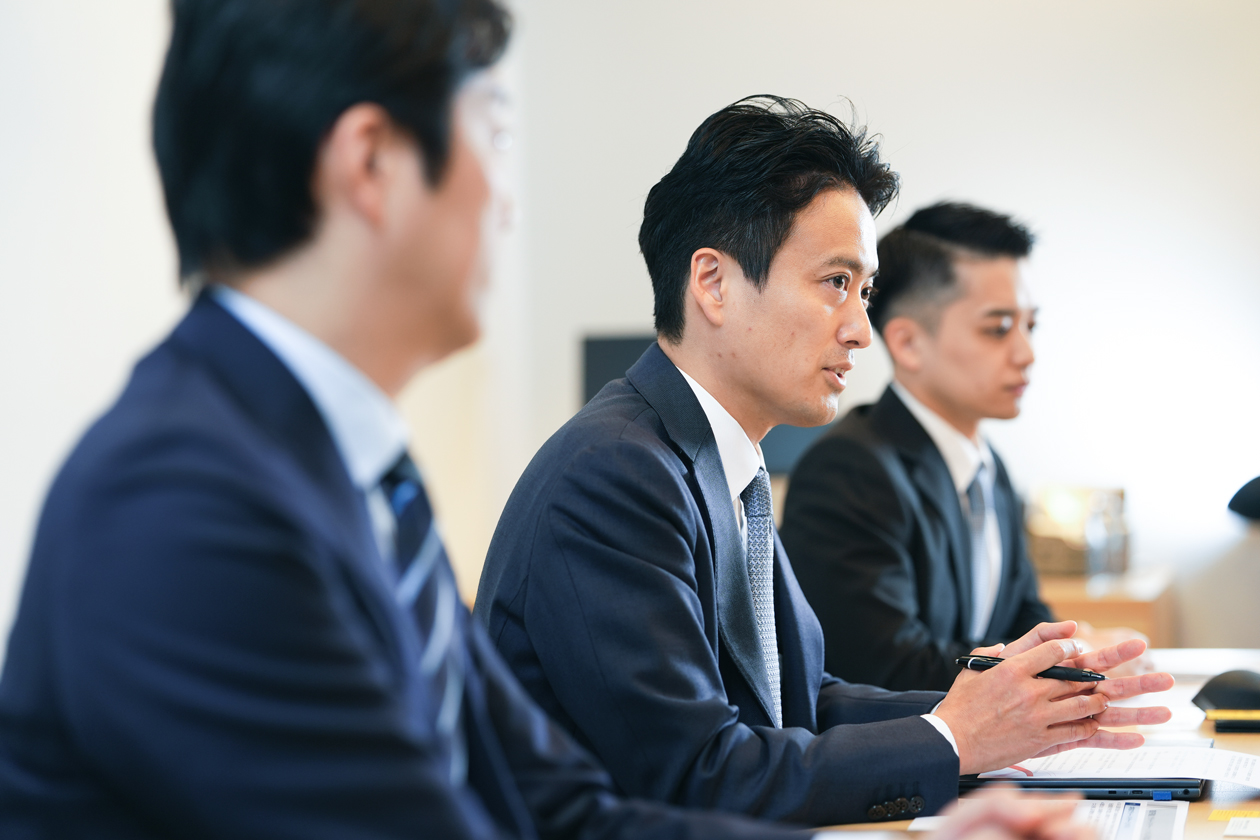
- Shun Machiyama, Sustainable Business Development Department, Nomura Securities
- Yamaguchi
Tokyu Fudosan Holdings is highly conscious of biodiversity even in redevelopment projects in urban areas like Shibuya and Omotesando. However, it was not easy to connect those environmental efforts to corporate value. Because we work closely with the market, we wanted to help communicate that message. Through discussions with the client, we arrived at the solution: the first climate/nature-linked bond in Japan.
Q. What exactly is this solution, and what makes it a first?
- Machiyama
A climate/nature-linked bond is a type of ESG bond. Unlike bonds that are tied to a specific use of proceeds, it is issued based on commitments to green targets—in other words, the bond is linked to target setting.
ESG bonds also follow certain rules when they are designed. ICMA, the international organization that sets those rules, published guidance on nature finance in June 2025. This guidance provides a framework for directing funds toward initiatives related to nature and biodiversity. By quickly proposing a structure aligned with that guidance, we were able to help make this the first issuance of its kind in Japan.
The bond also focuses on biodiversity while helping reduce greenhouse gas (GHG) emissions across the entire supply chain—from procuring construction materials to the use and eventual disposal of sold buildings. These are called Scope 3 emissions. Tokyu Fudosan Holdings has set 2030 targets for reducing CO2 emissions and preserving forest area, and it also makes donations to environmental conservation organizations as part of its commitment to those goals. In that sense, this bond issuance clearly demonstrates the company’s strong commitment to decarbonization and biodiversity conservation.
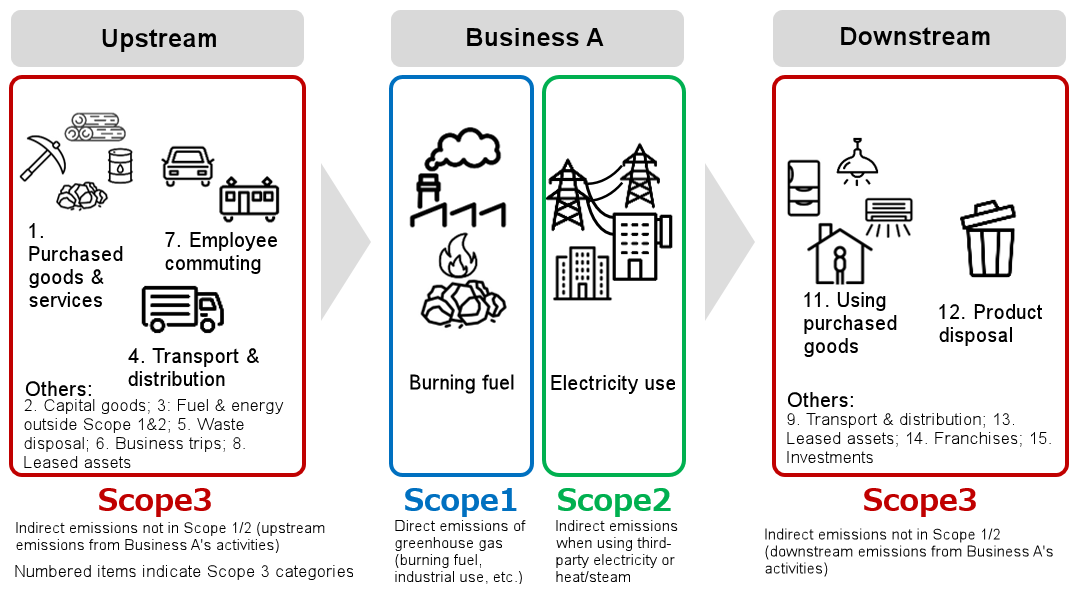
Source: Nomura Holdings, based on information from the Agency for Natural Resources and Energy website, “Basic Sustainability Terms You Should Know: What Are the Metrics for Supply Chain Emissions—Scope 1, 2, and 3?”
- Miura
Scope 3 covers reduction targets across the entire supply chain, so it cannot be achieved by the company alone. I think Tokyu Fudosan Holdings had a strong desire to be the first one to take action because the whole supply chain needs to be decarbonized. I was very impressed by their level of commitment.

- 拡大
- Kohei Yamaguchi, Sustainable Business Development Department, Nomura Securities
Q. The proposal to tackle Scope 3 must have been a big challenge, right?
- Yamaguchi
It is certainly very difficult in the real estate industry. CO2 emissions during the production and construction stages of building materials are high. For example, there is still no established, economically viable way to reduce emissions when making concrete. However, when I looked at Tokyu Fudosan Holdings’ environmental initiatives, I felt there were many positive aspects that could be shared more broadly.
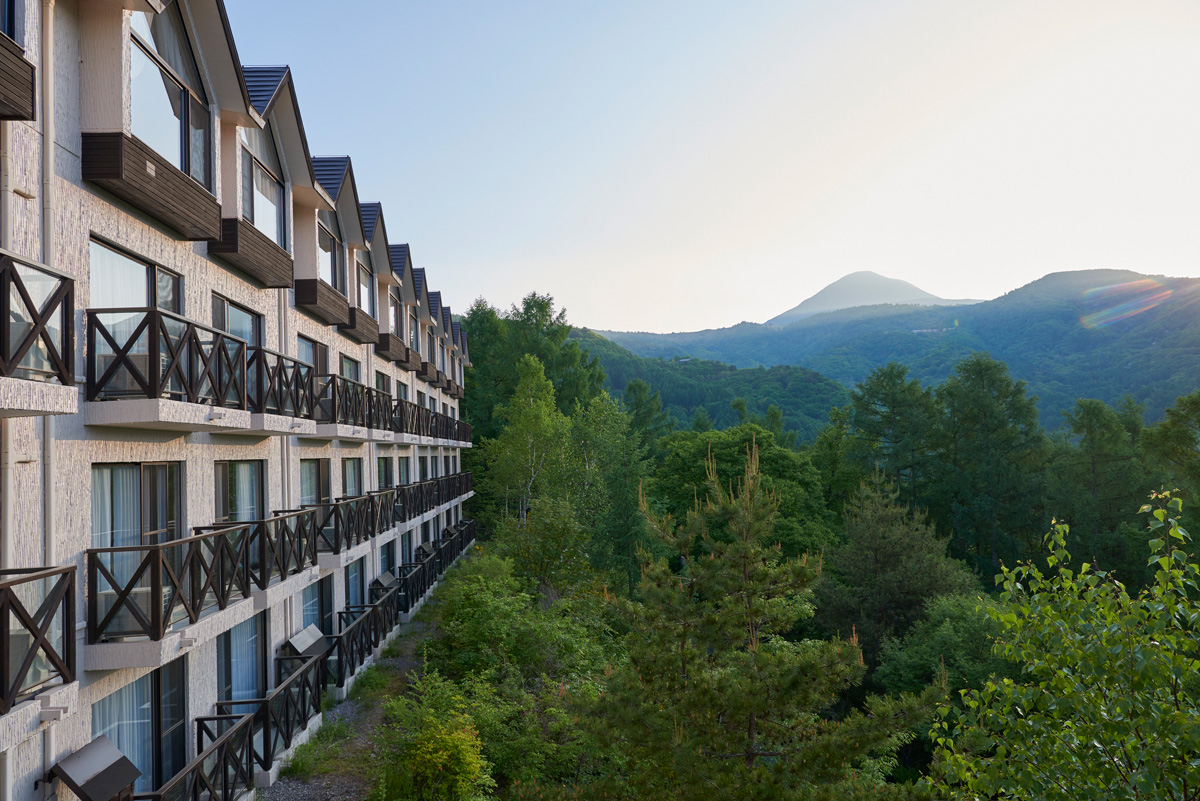
Of course, before reaching that point, I spoke with the client many times and also visited Tokyu Harvest Club Tateshina in Nagano Prefecture, where they are working on environmental conservation. Seeing those efforts firsthand—such as protecting plants and animals and achieving 100% renewable energy—helped me to better understand what Tokyu Fudosan Holdings was thinking, what businesses it was pursuing, and where it wanted to go. It also gave us the confidence to make a bolder proposal. Since our role is to support fundraising, it is important to tell investors how the issuer will use the funds. In that sense, I’m glad I saw it for myself.
- 拡大
- Tokyu Harvest Club Tateshina
- Machiyama
I believe the answer is in the field, and I always tell my team members that it is important to see things for themselves. We also need to understand clients and investors deeply, while thinking about what direction the market is heading and what kind of society we want to build. Then we can provide the product that is best suited to the client.
Q. Looking back, why do you think this proposal was adopted?
- Yamaguchi
I think our proposal was appreciated because we explored areas the client had not fully recognized and included them in the proposal. In particular, we showed how efforts to address environmental issues can lead to improved corporate value. At Tokyu Fudosan Holdings, sustainability had already become a normal part of daily thinking, so we were able to highlight latent value that is easier to see from the outside. We also proposed making the small environmental efforts that matter in day-to-day operations another theme.
Q. Finally, what do you value when dealing with clients?
- Yamaguchi
I like to think through things on my own and make proposals that will truly benefit the client. In particular, I try to propose corporate actions and financing that can improve corporate value because I believe that also helps the client grow. At the same time, we also need to think about the healthy development of the capital markets, so there are times when we have to tell clients when something is not right. I try to keep a good balance—saying what I believe is right while always keeping the client’s needs and the impact on the capital markets in mind.