

In the fourth installment of our interview series with Nomura leaders, Toru Mori, Head of Risk Management Department at Nomura Asset Management, shares how he transformed a team focused on quantitative and statistical risk analysis into specialists driving governance across the full product lineup. He discusses the launch of the industry-pioneering Fund Review Report, collaboration with the front office, and his approach to developing young talent.
Q. What does the Risk Management Department do?
We primarily manage the risks related to client assets, as well as analyze and evaluate investment performance. Our team has 15 members, split roughly evenly between junior employees and experienced mid- to senior-level staff. Mid- and senior-level members oversee client assets to ensure they are being managed appropriately, while junior staff are responsible for quality control of individual products. We analyze large volumes of data using mathematics and statistics, so most of our members have strong quantitative and technical skills.
We have been publishing our industry-pioneering Fund Review Report since 2023. This report evaluates in-house investment products from multiple perspectives — including performance, product characteristics, and information disclosure — and presents the results in a clear and accessible way. As part of this key initiative, the Risk Management Department assesses in-house funds.
For funds that have underperformed relative to their peers, we provide dedicated pages explaining the reasons for the underperformance and our views on the issues involved. We believe this is important to help our clients build assets steadily over the long-term. It also forms part of product governance, which focuses on quality management and ensuring that we deliver sufficient added value to clients.
This has marked a major shift in the department’s responsibilities. In addition to our regular duties, we took on the new challenge of reviewing about 600 publicly offered funds, excluding ETFs, and publishing reports on them. This initiative has been a key priority for the company, and I believe that through this work our department has assumed a central role in product governance across the firm.
- 拡大
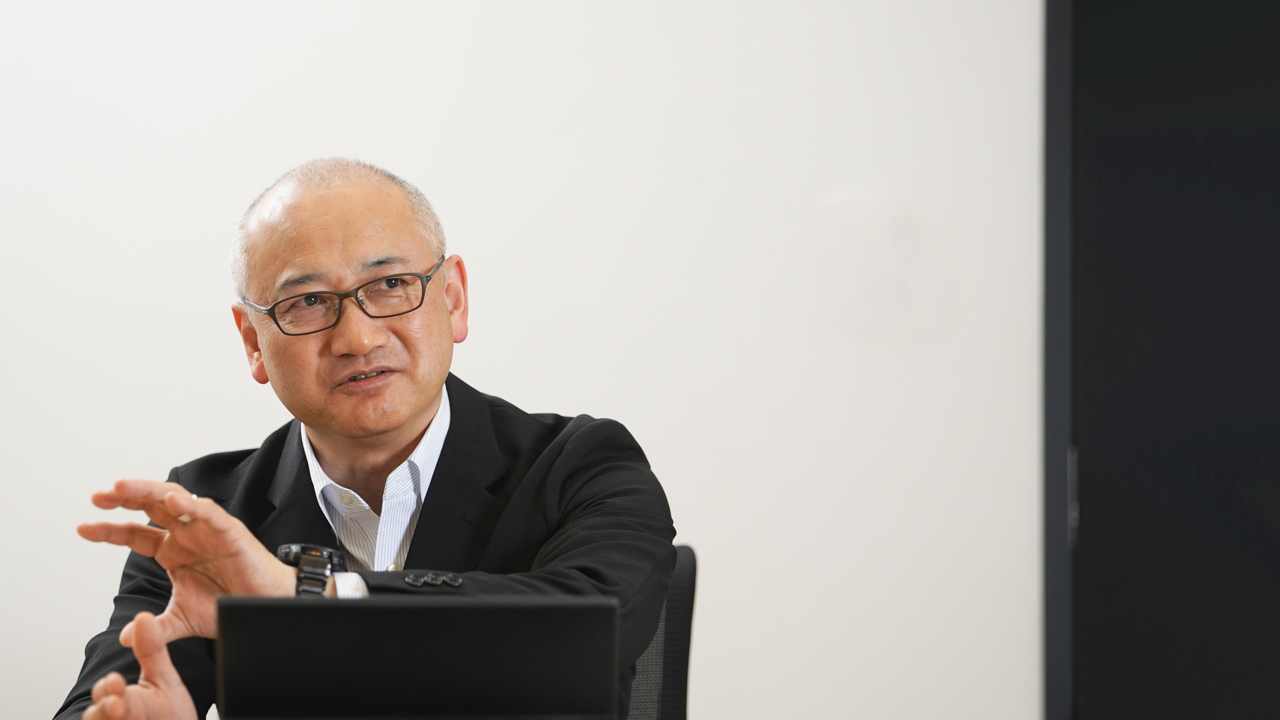
- Toru Mori, Head of Risk Management, Nomura Asset Management
Q. You said the department now plays a central role in product governance. Was that not the case before?
In the past, we were often seen as the team that simply reviewed past performance and pointed out when it was poor. From the asset managers’ perspective, that made us more like an unwelcome presence than a valued partner.
Ideally, the risk team should provide independent oversight of the investment team while also helping drive improvements that lead to better performance. When issues arise on the investment side, we should share them with management and help facilitate solutions. That is the kind of trusted, reliable partner I wanted us to be. But in reality, that was not how we were perceived, and I wanted to change that.
I wanted us to move beyond being merely an analysis and reporting function and become a team that contributes more meaningfully to the company. We should do more than assess investment results and identifying problems—we should be able to explain weak performance, suggest improvements, and work with others to develop solutions. We also needed deeper analysis to make our findings more convincing. My goal was to build a team that could engage with the core of investment management.
This was not easy. But I believed our strong team of analytical professionals could work more closely with the front office to ask pertinent questions, bring underlying issues to the surface, and help resolve them through dialogue.
The 2023 Fund Review Report gave us real momentum. Since then, we have worked directly with front office teams to support improvement. Today, we assess whether portfolio managers are truly operating at their best, measure their practices against industry best practices, and highlight areas where improvement is needed.
Of course, the front office already has its own quality control processes. Our role is to verify that those controls are functioning properly and make them more effective by reflecting our findings in external reports.
Q. What messages do you consistently convey to team members?
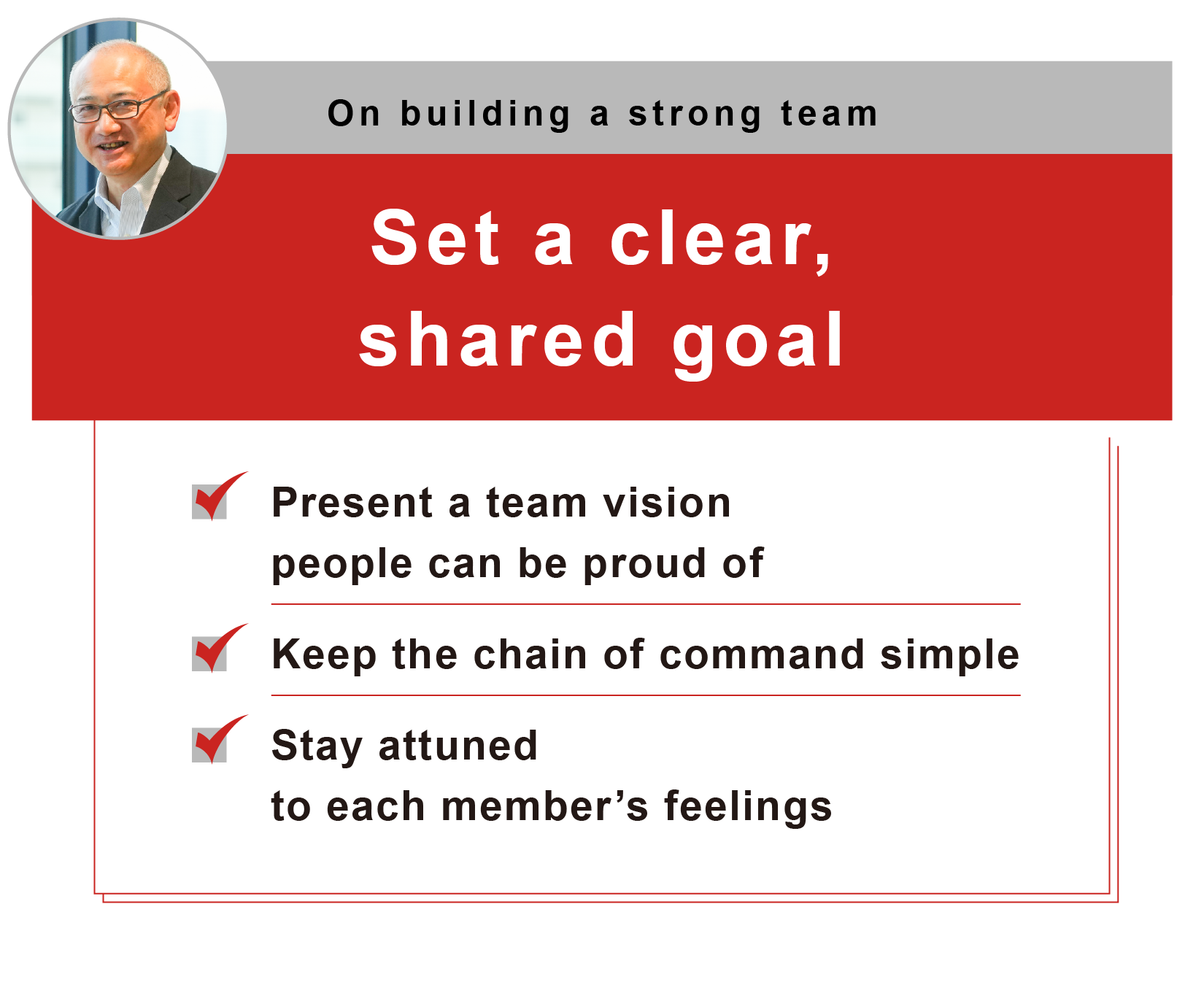
During my first two years as department head, I shared my concerns only with the department’s core members. After that, I began sharing them with the entire team. I encouraged everyone to think about how we could improve the services we provide to clients, become a group that supports the front office, and build a trusted, collaborative relationship with them. I told them that by doing so, we could raise the department’s profile and build a team we can all be proud. I continue to emphasize that message.
It’s important that everyone understands why we do this work, so we have also set out a clear, shared goal: the department’s purpose. If we act in line with that purpose, everyone can work with a shared sense of conviction. In fact, the team’s mindset has changed. Now, with that way of thinking in place, everyone works with high aspirations and creativity.
Q. You mentioned the team is roughly half junior and half mid- to senior-level members. What is the secret to making that mix work?
We keep the chain of command limited to a few people. I think this is very important because it gives junior staff room to take initiative. We also keep the organization flat, so routine tasks like data collection are shared by everyone, not just junior staff. That helps foster respect for senior members and creates a culture of mutual support, where juniors feel comfortable asking to be taught and seniors are just as willing to ask for help.
Q. What are you mindful of when communicating with staff?
I try to keep the right distance with each person. I can’t do that alone, so we hold a review meeting with a few core members every week to discuss the organization. It gives us a chance to share how the team is doing and whether anything has changed. I also respect the role of the department’s core members, while focusing on building broader connections across the organization. To ensure the team’s work benefits the company, I talk to people in various departments as needed. I don’t shy away from disagreements, but I always try to find common ground to build trust.
If the department were a baseball team, I would see myself not as the coach, but as the team manager. My role is to set the team’s direction—its goals and purpose— while creating an environment where each member can perform at their best and thrive. By doing that, I hope to strengthen the performance of the organization as a whole. I also try to act as a catalyst for change within the team.
Q. Finally, what kind of team do you aim to build?
I want to build a team that gives people more opportunities to take on new challenges and grow. Ideally—although it may be unrealistic— someone could join the company, stay in this department until retirement, and still feel fulfilled by the variety of experiences they had. I want our team to provide a wide range of experiences and challenges. Because our department plays a largely defensive role, there are limits, but we are always thinking about how to make that vision possible.
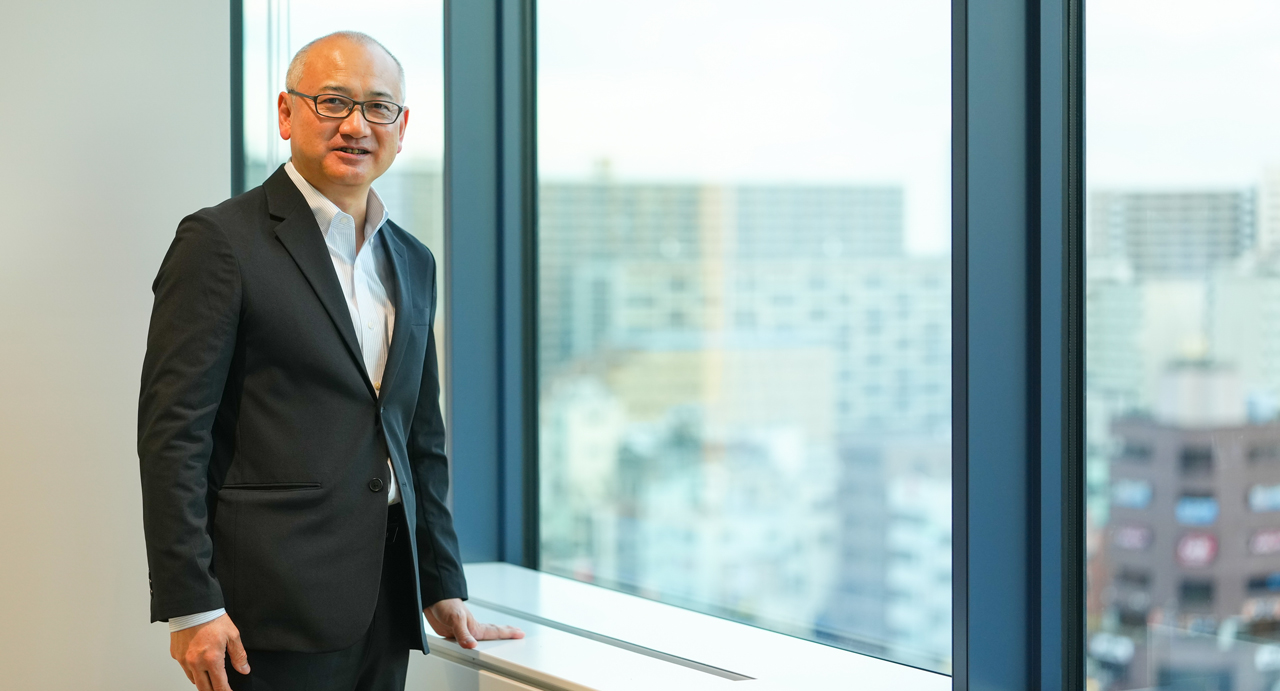
Toru Mori
Head of Risk Management Department, Nomura Asset Management
Toru joined Nomura Securities Investment Trust Co., Ltd. (now Nomura Asset Management) in 1996. After working in the Product Development Department, he moved to the Investment Technology Development Office in 1997. While with the company, he was seconded to the Risk Management Group of a major U.S. asset manager in New York for training. From 2000 onward, he held positions in quant and IT-related departments including System Development (now IT Strategy), Portfolio Planning, and Investment Development. He assumed his current role in April 2020.
He holds a graduate degree from the Interdisciplinary Graduate School of Science and Engineering at the Tokyo Institute of Technology.
* Effective April 1, 2026, the Risk Management Department was merged into the Product Governance Department. As of the same date, he serves as Head of the Product Governance Department.