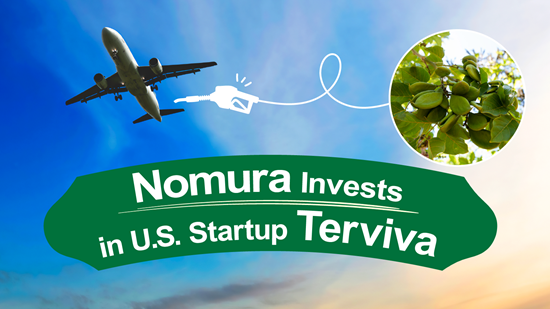


Nomura’s Sustainable Innovation Investment Scheme uses the firm’s own capital to back startups that contribute to a more sustainable society. Its first investment is Terviva, a U.S. company developing pongamia as a feedstock for sustainable aviation fuel (SAF) and other biofuels. Nomura won an Excellence Award at the 11th Sustainable Finance Award—hosted by the Research Institute for Environmental Finance (RIEF)—for this investment. We spoke with Yukari Saiki of Nomura’s Sustainable Innovation & Investment Group and Naveen Sikka, Terviva's Founder and CEO, about the scheme, its goals, and why Terviva was chosen.
- 拡大
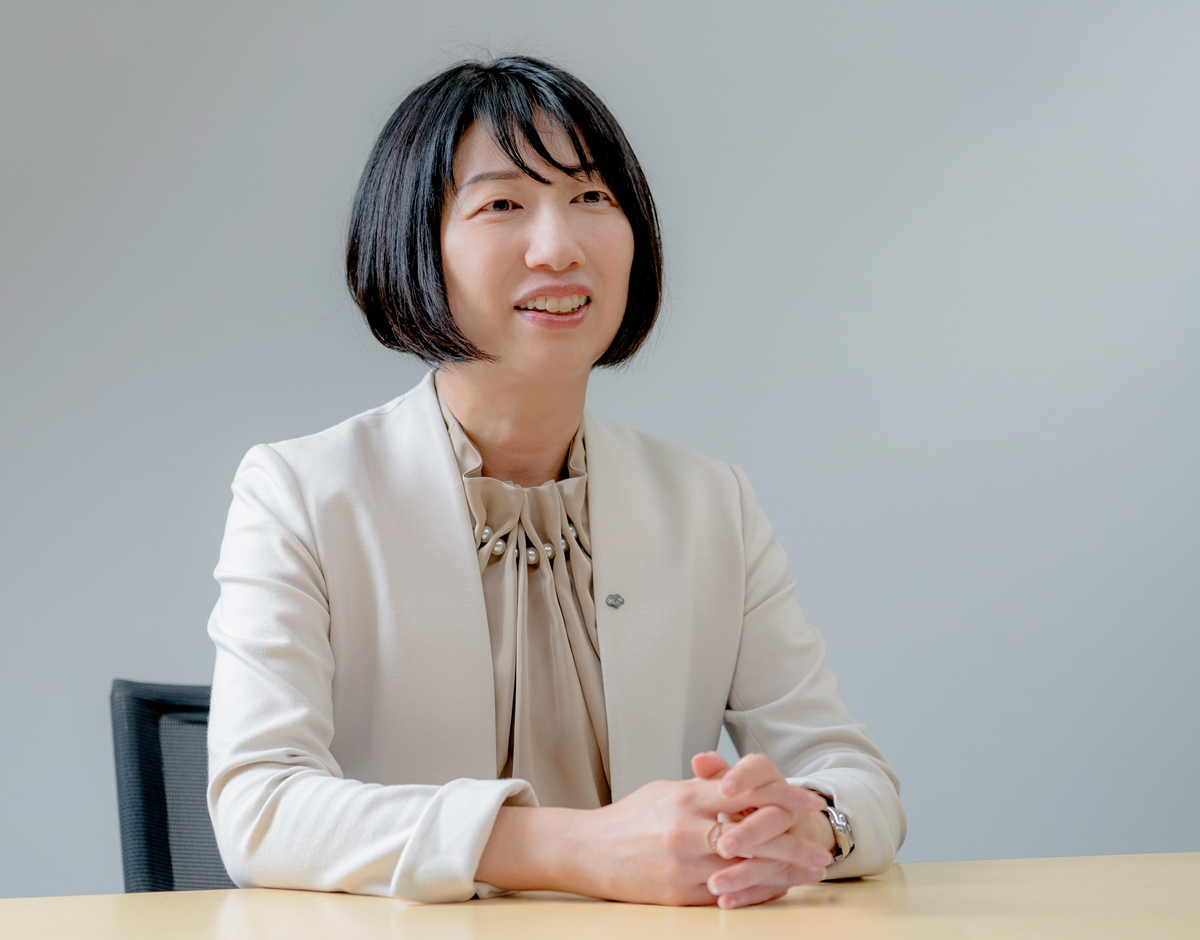
- Yukari Saiki
Sustainable Innovation & Investment Group
Nomura Securities
Q. Tell us about Nomura’s sustainability initiatives to date.
Nomura’s sustainability-related business has primarily focused on sustainable finance, helping mainly large, listed companies raise funds through green and social bond issuances. We provide M&A advisory services in the sustainability space and offer investment trust products that enable investors to allocate funds to sustainability-themed assets. As part of our social impact activities, we have also provided financial and economic education for more than 25 years to audiences ranging from elementary school students to working adults.
Q. Why did you start this new investment initiative?
Developing services and technologies that drive decarbonization is challenging—it takes time, and early-stage startups face a lot of uncertainties on the path to success. Although many of them have ambitious goals, they often lack the capital to achieve them. To support these startups directly at an early stage, we established the Sustainable Innovation & Investment Group in April 2024 and began investing in startups addressing social issues in March 2025.
Q. How does this investment work?
We work alongside portfolio companies until they address social issues and create impact. After investing, we provide long-term support by sharing our research expertise and specialized knowledge from our food and agribusiness consulting teams. In addition to financial returns, we also place strong emphasis on returns in the form of social impact.

Q. How do you find potential investment targets?
We monitor major social challenges and emerging industries and businesses, and regularly gather information by attending pitch events and startup gatherings. We also receive introductions to companies from both inside and outside Nomura. The information we get from these sources deepens our understanding and helps move discussions forward. For example, Nomura Securities’ Frontier Research Department, which explores unlisted companies, has introduced industry experts, shared reports, and provided candid feedback on potential investment targets.
When we identify a promising candidate, we evaluate its competitive position within its industry and the potential for the business to scale. After reviewing its financials and business plans, we submit the case to our internal investment committee.
Q. How was Terviva chosen?
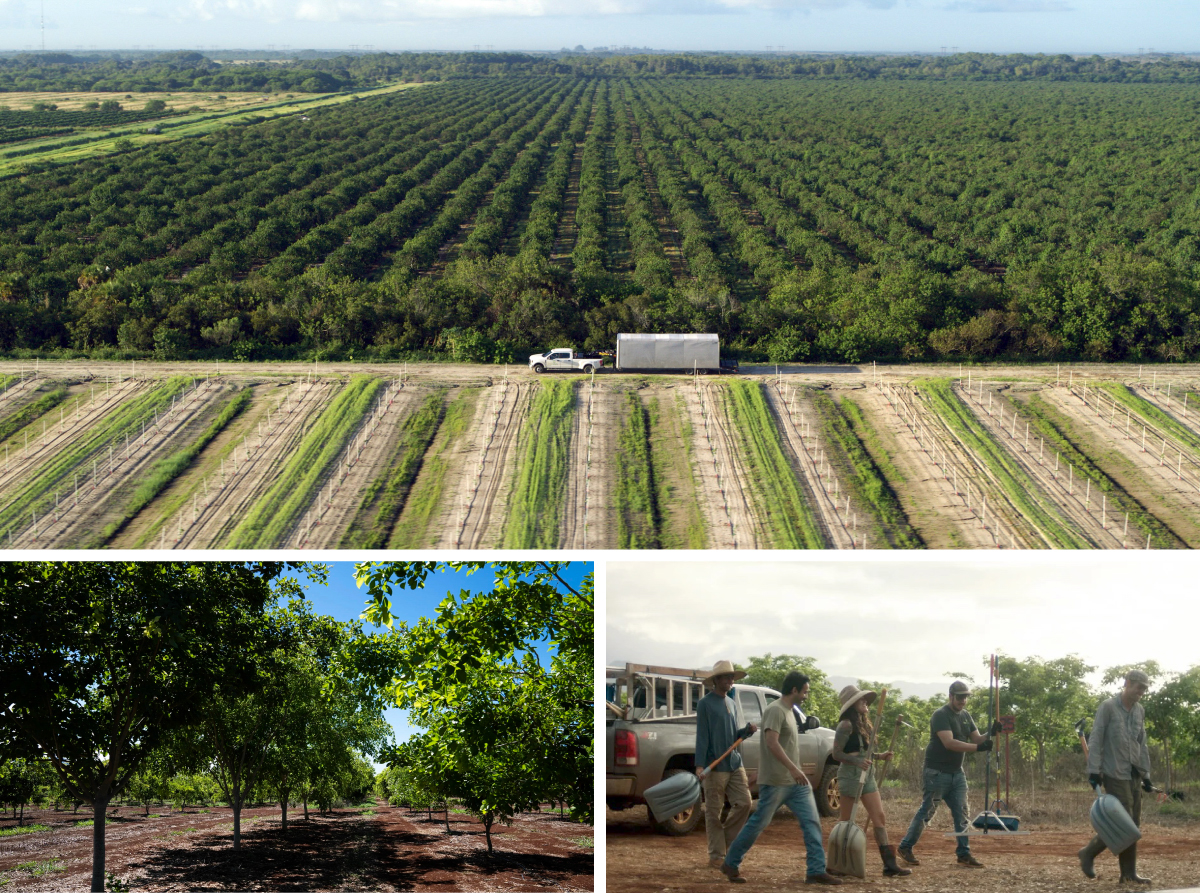
It started with the SAF Open Platform, a forum launched by Tokyo University of Agriculture and Technology in April 2024 for private companies interested in SAF to exchange views. We joined the forum and learned about the potential of pongamia as feedstock for SAF and biofuels. Our research identified several startups planting pongamia—including Japanese firms—but Terviva stood out for its deep expertise and related patents. Since around 2010, the company has cultivated pongamia in places such as Florida, Hawaii, India, and Australia. Its U.S. headquarters houses research facilities where it studies breeding and pollination methods to further increase yields. We found their advanced cultivation know-how, developed ahead of peers, especially compelling.

Energy is a global challenge. In Japan, used cooking oil is the most common feedstock for SAF and biofuels, but supply falls far short of demand. Plant-based options such as palm and soybean exist, but palm raises concerns about human rights, labor practices, and deforestation. Using edible crops such as soy, corn, and sugarcane can affect food supply, and Europe imposes strict regulations and limitations on SAF produced from those feedstocks. Among non-edible plants, pongamia is especially attractive because it has a very high oil content and can grow on degraded land, helping support forest restoration.
In international aviation, the International Civil Aviation Organization (ICAO) has set a goal of achieving net-zero CO2 emissions by 2050, which requires replacing conventional jet fuel with SAF—but the SAF supply is currently insufficient. We decided to invest in Terviva because we believe addressing this issue will deliver significant social impact.
Q. How will Nomura support Terviva as a partner?
We are Terviva’s first financial institution investor. Leveraging Nomura’s strengths, we believe we can help raise global awareness of pongamia and support orchard expansion—for example, by showcasing Terviva during our annual Nomura Sustainability Week and issuing press releases to reach new audiences. We also expect to play a unique role in connecting Terviva with other investors.
Q. Going forward, what other kinds of investments are you considering?
Within the team, we are exploring various themes. On the environmental side, we are focusing on energy, decarbonization, and climate change; on the social side, we are prioritizing health and education. Strong themes naturally attract internal support. Japan is currently facing a super-aging society and rising social security costs, and the Ministry of Economy, Trade and Industry is promoting efforts to extend healthy life expectancy. I want to pursue areas that align with these national priorities. As a team, we have already identified several candidates to bring to the next investment committee. By deploying Nomura’s own capital, we will continue supporting startups that tackle social problems and can deliver measurable social impact.

- 拡大
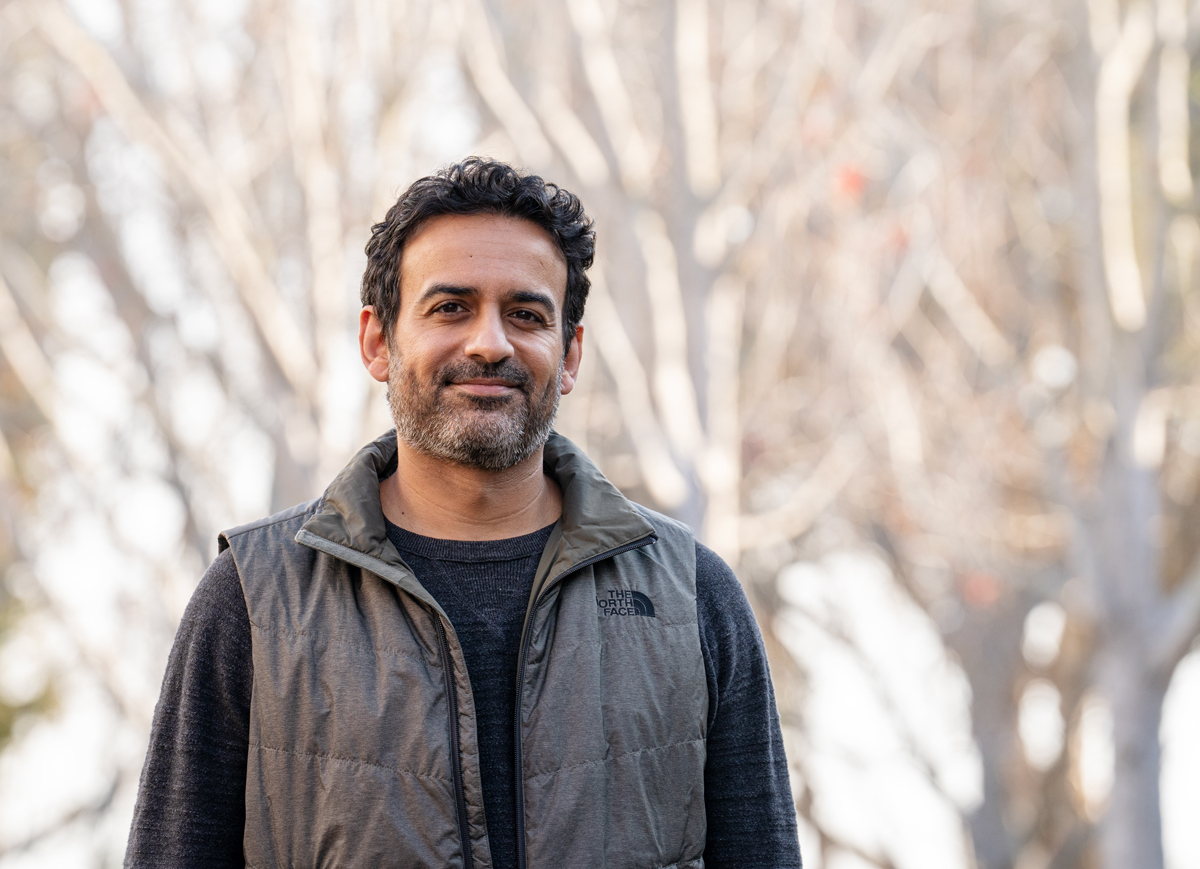
- Naveen Sikka, Founder and CEO, Terviva
Terviva was founded in 2010. After working as a management consultant in energy and agriculture, I began graduate studies in renewable energy at UC Berkeley in 2007 during the early cleantech era. While interning at a venture capital firm focused on alternative energy, I was introduced to pongamia as a potential biofuel feedstock and visited operations in India in 2009. Seeing pongamia trees flowering and thriving on dry, degraded soil convinced me of its promise. The company name “Terviva” — coined by my wife, who has a marketing background — combines Latin “Ter” (land) and “Viva” (life), reflecting our mission to restore degraded land to life.
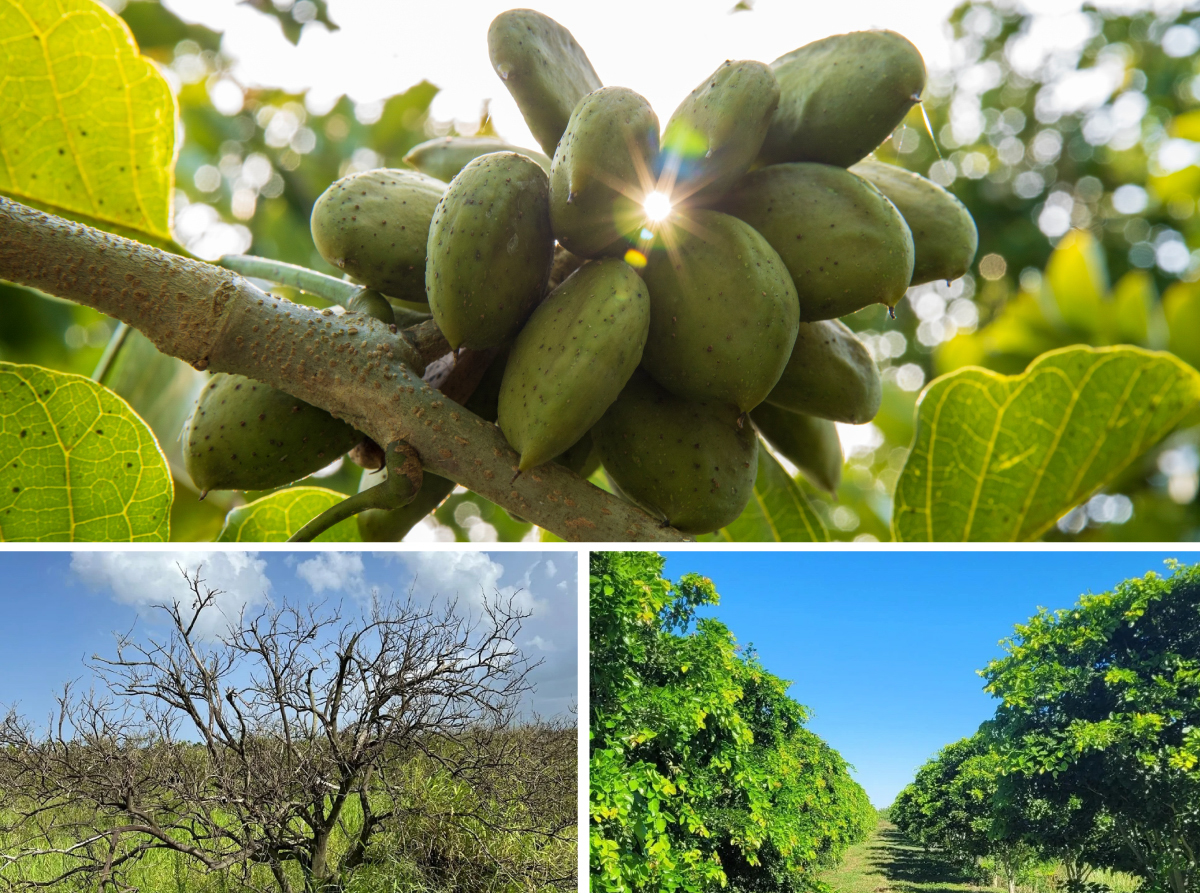
Pongamia is a hardy tree that grows well on degraded soil and does not displace fertile cropland. While it varies, a hectare of mature trees can yield about ten tons of seed. Unlike annual oil crops such as soy, pongamia is a woody perennial. You plant it once and it will put down roots and keep growing for decades, often 30 to 50 years, and it also expands upward, creating vertical growing space — what I like to call "vertical soy."
While Pongamia's primary use is as a source of non-edible oil for biofuels, it has two other key benefits. First, Terviva’s specialized extraction process produces a high quality, soy like protein from the seed. Second, as a legume it hosts root microbes that fix atmospheric nitrogen into forms plants can use — essentially acting as a "nitrogen factory" that boosts soil fertility and benefits neighboring crops. Given these advantages, pongamia has many potential uses. In the near term, Terviva is focused on three main markets: oil for biofuels (including sustainable aviation fuel or SAF), protein for animal feed, and carbon credits from landscape restoration.
Used cooking oil remains the most virtuous and attractive feedstock for biofuel/SAF and should be prioritized where possible. But it alone cannot achieve global decarbonization goals. We therefore need to "grow" additional oil, and pongamia is one of the best options. It doesn't take away prime cropland used for food production, can be used for reforestation and landscape regeneration, helps return carbon to soils, and requires relatively little water and fertilizer.
- 拡大
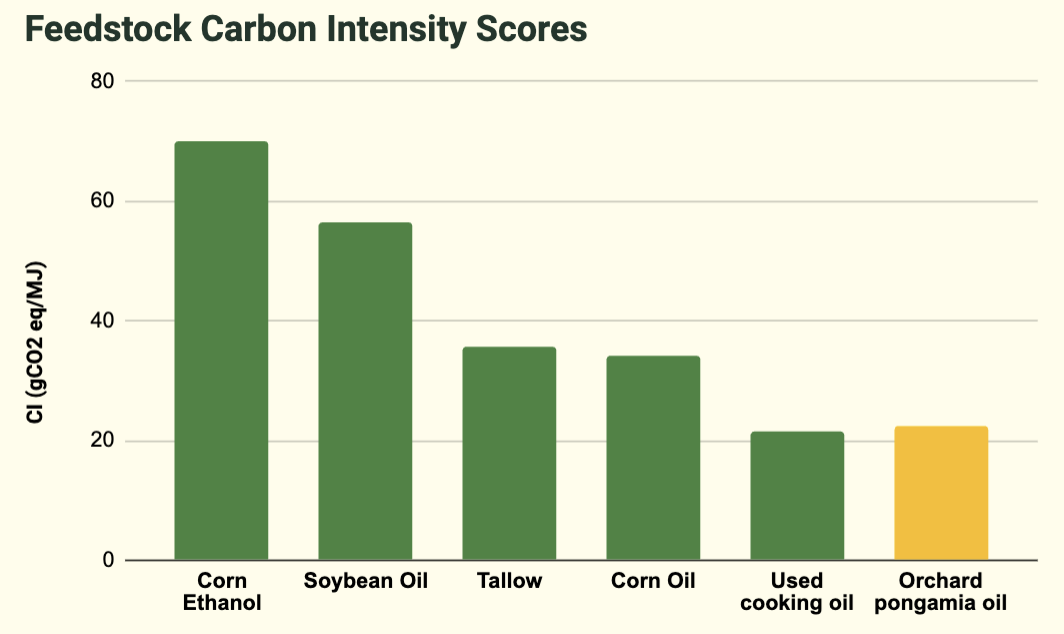
- Pongamia oil's significantly lower "carbon intensity score," a numerical estimate of GHG emissions from production to use, offers an advantage over other fuel sources.
- Source: Terviva website — https://www.terviva.com/energy
While gaining approval and wider adoption of SAF is challenging, we believe that with sufficient investment and large-scale deployment it is possible to lower the price of unrefined pongamia oil and bring it closer to current crude oil prices. On the policy side, progress will depend on strong partner and community engagement. For example, in Japan we have support from corporate partners, including Nomura, and are working with the Japan Civil Aviation Bureau (JCAB) to petition the International Civil Aviation Organization (ICAO) to list pongamia as an eligible feedstock. We plan to pursue similar efforts in other countries, working with local communities and partners to engage governments and institutions.
Pongamia’s true impact comes at large scale. When millions of hectares are planted, soils are restored, jobs are created, and communities benefit while producing large volumes of oil and protein. The technology to process pongamia into edible oil and protein exists, and over time we aim to develop pongamia into a food resource similar to soy. Today those food markets are not yet established, so our practical, near term pathways are biofuel, animal feed and carbon credits. With partners and investors, we aim to accelerate progress so that over the next 30–50 years pongamia contributes to SAF supply, decarbonization, and global food security.
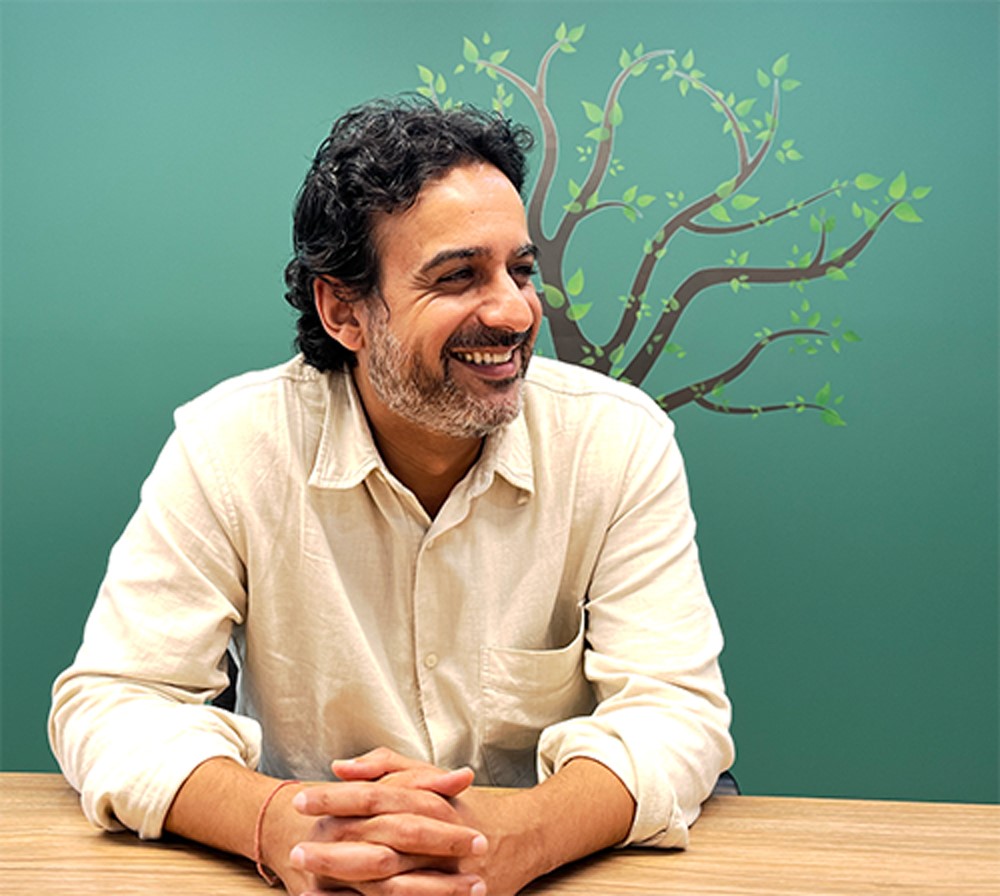
Naveen Sikka
Founder & CEO, Terviva
Naveen Sikka is the founder and CEO of Terviva, a company that produces sustainably-grown energy and food on marginal agricultural land. Naveen holds degrees from UC Berkeley and Columbia University and has been featured in The New York Times, The Wall Street Journal, and The Economist. Naveen also serves on the Board of Directors of Elemental Impact, an organization with over 150 portfolio companies that work on climate-related technologies.